
Overview
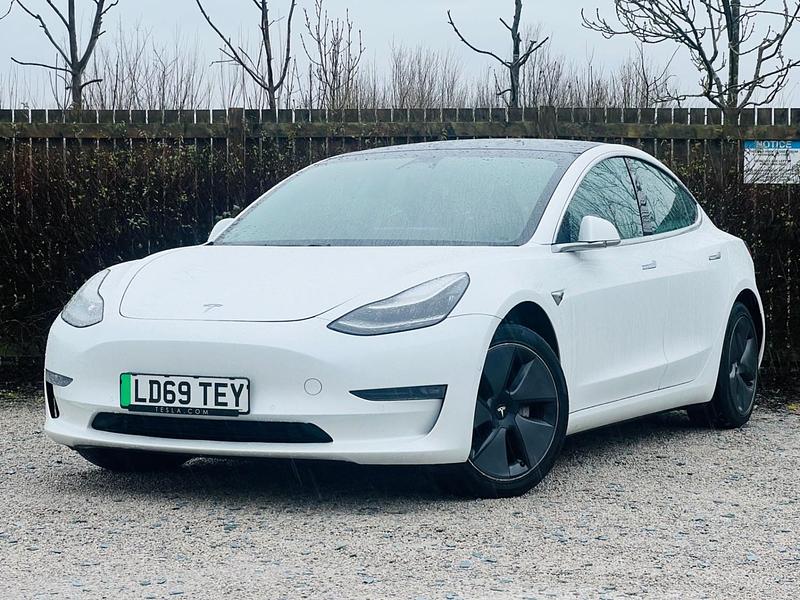
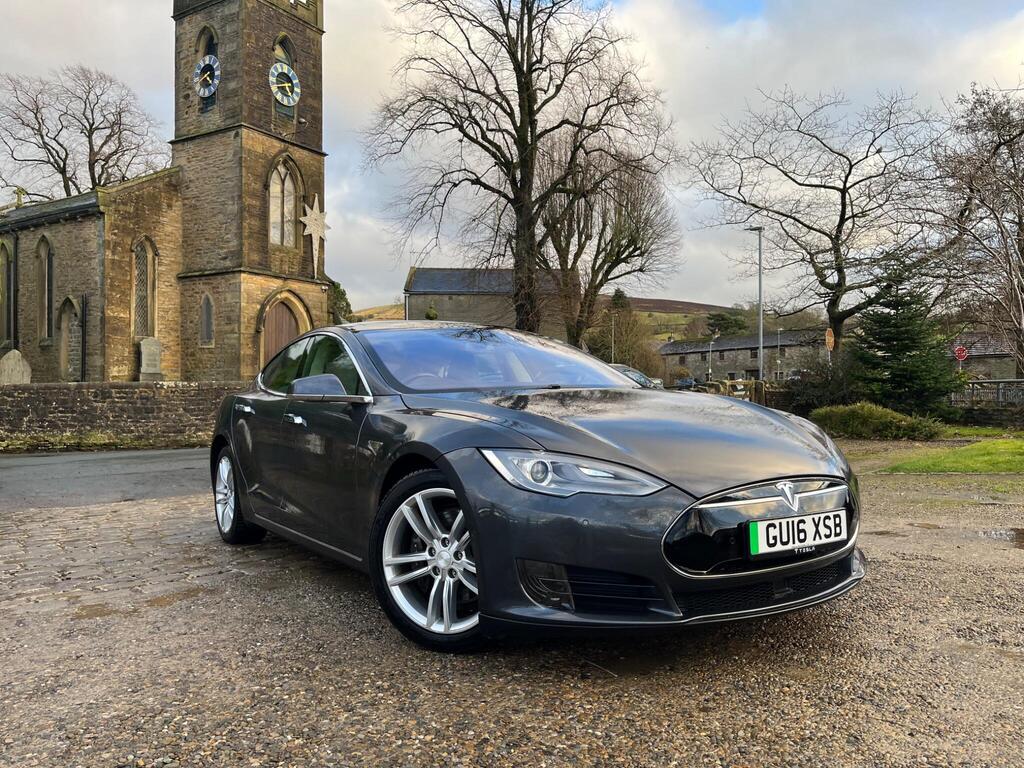
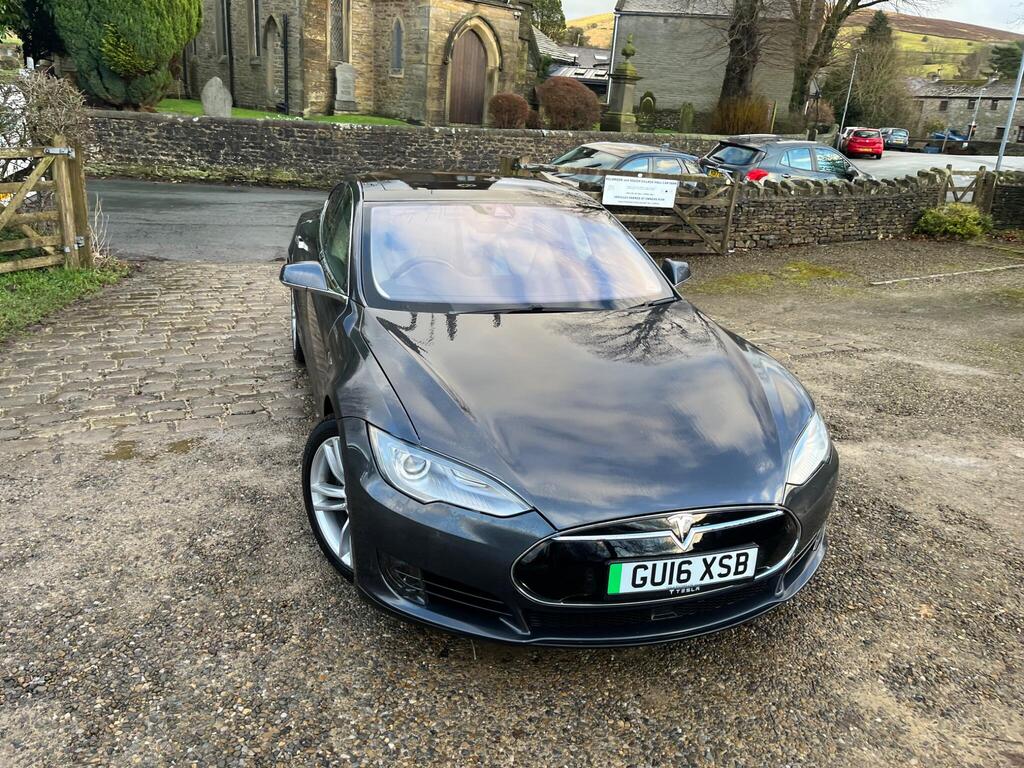
The Tesla Model S was the car that proved electric vehicles could be desirable, practical, and blisteringly fast. First launched in 2012, the versions covered here (2016-2022) represent the mature, refined Model S before the controversial 2021 "Plaid" refresh with yoke steering.
As a used buy, the Model S offers incredible value — cars that cost £80,000-£100,000+ new can be found for £30,000-£50,000, bringing luxury EV ownership to a wider audience.
Key model variants:
| Model | Battery | Range (WLTP) | 0-62mph |
|---|---|---|---|
| 75D | 75kWh | 259 miles | 4.4s |
| 100D | 100kWh | 335 miles | 4.1s |
| Long Range | 100kWh | 379-405 miles | 3.7s |
| Performance/P100D | 100kWh | 345-365 miles | 2.5-2.7s |
Key changes by year:
| Year | Changes |
|---|---|
| 2016 | Autopilot 2.0 hardware, facelift nose |
| 2017 | 100kWh battery option |
| 2019 | "Raven" update: new motors, suspension, longer range |
| 2020 | Minor updates, range improvements |
| 2021 | "Plaid" refresh (new model - outside this review) |
MCU versions (critical for used buyers):
| MCU | Years | Screen | Issues |
|---|---|---|---|
| MCU1 | 2012-March 2018 | Slower processor | eMMC failure common |
| MCU2 | March 2018+ | Faster, more reliable | Much better |
The "Raven" update in 2019 brought significant improvements — new permanent magnet motors, adaptive suspension, and better efficiency. These are the most desirable pre-2021 models.
Performance & Drive
Performance
Even the "slowest" Model S (75D at 4.4 seconds to 62mph) is fast by any normal standard. The P100D/Performance models are genuinely supercar-fast, with acceleration that embarrasses Ferraris and Lamborghinis.
| Model | 0-62mph | Character |
|---|---|---|
| 75D | 4.4s | Quick, refined |
| 100D/Long Range | 3.7-4.1s | Very fast, practical |
| P100D/Performance | 2.5-2.7s | Ludicrously fast |
"Ludicrous Mode" on Performance models delivers acceleration that's difficult to comprehend until experienced. It's a genuine party trick.
In town
The Model S is large (almost 5 metres long, nearly 2 metres wide) and feels it in tight urban environments. Parking can be challenging, though the 360-degree cameras and Autopark (if equipped) help significantly.
The air suspension (standard on most) adjusts height automatically, useful for speed bumps and car parks.
On the motorway
This is the Model S's natural habitat. Refined, quiet (especially post-2019 Raven), and effortlessly fast when needed. Autopilot handles the monotony of motorway driving well.
Range anxiety is minimal with the 100kWh versions — 250+ real-world miles is achievable at motorway speeds.
On a twisty road
Despite its size and weight (2,100kg+), the Model S handles well. The low centre of gravity and instant torque make it surprisingly engaging. The air suspension can be set to "Sport" for tighter body control.
It's not a sports car, but it's far more capable than its size suggests.
Space & Practicality
Front seats
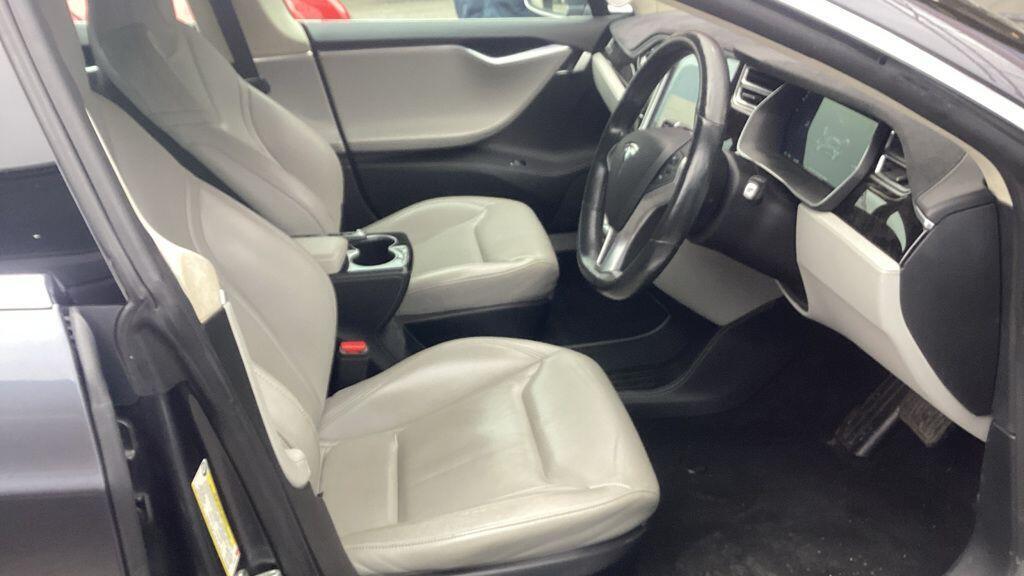
Excellent space and comfort. The seats are supportive for long journeys, and the minimalist dashboard creates an airy, spacious feel. The 17" portrait touchscreen dominates but leaves plenty of room.
Rear seats
Rear space is generous — three adults can sit comfortably, with good legroom and headroom. The flat floor (no transmission tunnel) helps.
| Measurement | Space |
|---|---|
| Rear legroom | Excellent |
| Rear headroom | Good |
| Rear width | 3 adults comfortable |
Optional rear-facing child seats were available in early models, though most UK cars don't have these.
Boot space
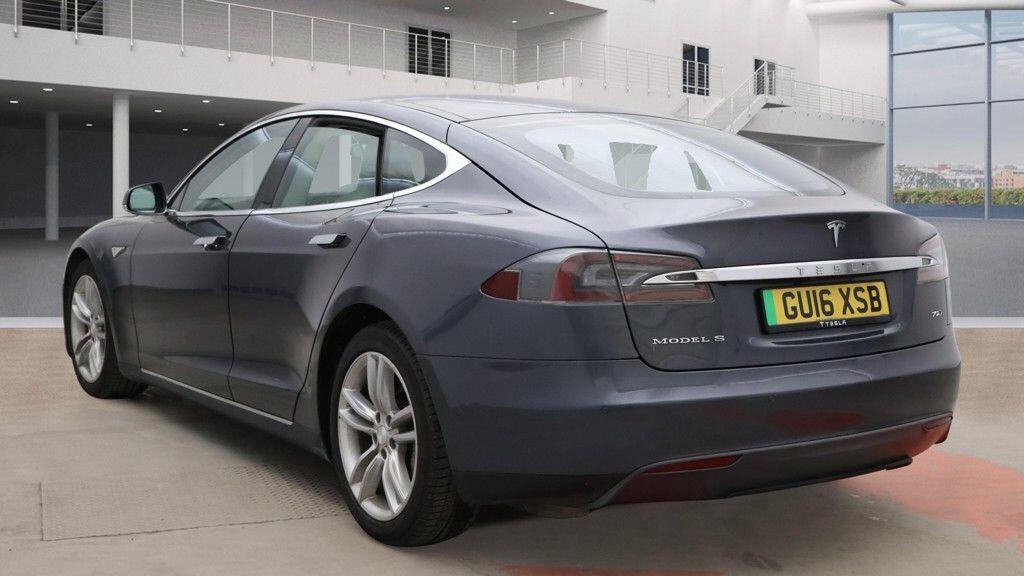
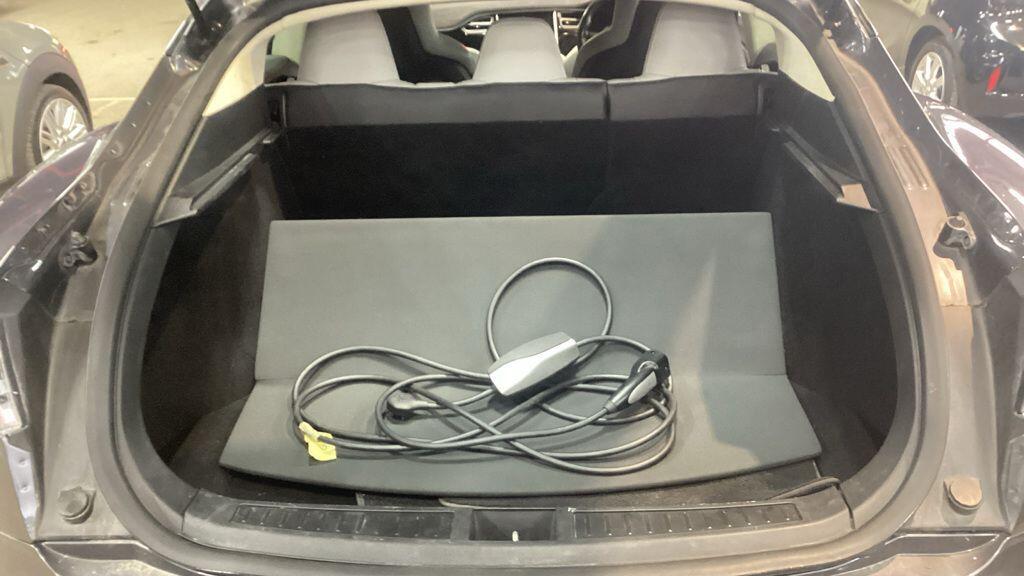
The Model S has a hatchback-style tailgate (despite looking like a saloon), offering excellent practicality.
| Area | Capacity |
|---|---|
| Rear boot | 745 litres |
| Frunk | 150 litres |
| Seats folded | ~1,645 litres |
The rear seats fold flat, creating a huge load area. The hatchback opening makes loading large items easy. Combined with the frunk, total cargo capacity exceeds most SUVs.
This is one of the Model S's strongest points — it genuinely works as a family car.
Interior & Tech
Interior quality
Interior quality is good but not quite Mercedes S-Class levels, despite the price when new. The materials are nice, the design is clean and modern, but some plastics feel below what you'd expect at this price point.
The minimalist aesthetic has aged well — it looks less dated than button-heavy German rivals from the same era.
The 17" touchscreen
Everything is controlled through the massive portrait touchscreen. It was revolutionary in 2012 and remains impressive today. However:
| MCU Version | Experience |
|---|---|
| MCU1 (pre-March 2018) | Slow, laggy, prone to failure |
| MCU2 (March 2018+) | Fast, responsive, reliable |
MCU1 is a significant concern — the eMMC memory chip fails, causing screen blackouts. Tesla offered a repair/upgrade program, but check whether this has been done on any pre-2018 car.
Features
| Feature | Availability |
|---|---|
| Autopilot | Most UK cars |
| Premium audio | Standard |
| Sat nav with Supercharger routing | Standard |
| Heated seats (all) | Standard |
| Air suspension | Most cars |
| Panoramic sunroof | Common |
Over-the-air updates
The Model S continues to receive updates, adding features and improvements. A 2016 car today has more features than when it left the factory.
Range & Charging
Real-world range
| Model | WLTP | Real-world (summer) | Real-world (winter) |
|---|---|---|---|
| 75D | 259 miles | 190-220 miles | 140-170 miles |
| 100D | 335 miles | 260-290 miles | 200-240 miles |
| Long Range (Raven) | 379-405 miles | 300-340 miles | 240-280 miles |
| Performance | 345-365 miles | 260-300 miles | 200-240 miles |
The 75D is adequate for most use but can feel limiting on longer journeys. The 100D and Long Range versions offer genuinely anxiety-free range.
Charging
| Method | 75kWh Time | 100kWh Time |
|---|---|---|
| 7kW home | ~12 hours | ~15 hours |
| 11kW home | ~8 hours | ~10 hours |
| Supercharger V2 (150kW) | 20-80% ~35 mins | 20-80% ~45 mins |
| Supercharger V3 (250kW) | 20-80% ~25 mins | 20-80% ~30 mins |
Note: Pre-2019 Model S cars are limited to ~150kW Supercharging. Raven (2019+) models can use the full 250kW V3 speed.
Supercharger network
Access to Tesla's Supercharger network is a major advantage. The Model S uses the same reliable, well-located network as the Model 3. CCS charging is also available via adapter (included with most cars).
Reliability & Common Problems
Overall reliability
The Model S is complex, and early cars especially can be troublesome. Reliability improved significantly through the model's life, with Raven (2019+) models being the most dependable.
Common issues
| Issue | Years Affected | Severity | Notes |
|---|---|---|---|
| MCU1 eMMC failure | 2012-March 2018 | High | Screen dies, expensive repair |
| Door handle failures | All years | Medium | Flush handles stick |
| Drive unit whine | 2012-2016 | Medium | Often replaced under warranty |
| Air suspension leaks | All years | Medium | Compressor or struts fail |
| 12V battery failure | All years | Medium | Common across all Teslas |
| Window regulators | All years | Low-Medium | Windows drop into doors |
| Seat heater failure | All years | Low | Occasional |
The MCU1 problem
If buying a pre-March 2018 car, verify whether the MCU has been upgraded. The original eMMC memory chip fails after 4-6 years, causing screen failure. Tesla charges ~£1,500 to replace with MCU2, but some owners have had it done under warranty or consumer law.
Drive units
Early Model S cars (2012-2016) had drive unit issues causing a whining noise. Tesla's warranty was excellent, and many cars have had drive units replaced. Check service history for any drive unit work.
What's actually reliable
The battery and core drivetrain are generally solid. It's the auxiliary systems (door handles, screens, air suspension) that cause most issues. Running costs can be higher than expected due to these complexity issues.
What to Look For When Buying
Before viewing
- Check MCU version — Critical for pre-2018 cars. Ask specifically.
- Request service history — Tesla app shows all work done
- Verify Autopilot/FSD — Check what's actually included
- Check battery degradation — Ask for current range estimate
During inspection
| Check | What to Look For |
|---|---|
| Door handles | All four present and operate smoothly |
| MCU screen | Responsive, no yellow borders, no lag |
| Air suspension | Rises and lowers smoothly |
| Windows | All operate, don't drop |
| Charging ports | Both Tesla and CCS work |
| Panel gaps | Consistency (less critical than Model 3) |
Test drive checklist
| Test | What You Want |
|---|---|
| Door handles | All present and function in cold |
| Air suspension | Adjusts height smoothly |
| Acceleration | Smooth, no hesitation |
| Autopilot | Functional, smooth |
| Regen braking | Strong and consistent |
| Climate | Heat pump or resistive heater works |
Questions to ask
- Has the MCU been replaced or upgraded? (Pre-2018)
- Have door handles been replaced? How many?
- Any air suspension work done?
- Is the 12V battery original?
- What's the current range estimate at 100%?
Red flags
| Warning Sign | Risk |
|---|---|
| MCU1 not upgraded on pre-2018 car | £1,500 repair coming |
| Missing service history | Unknown condition |
| Multiple door handle replacements | Ongoing issue |
| Air suspension stuck at one height | Expensive repair |
| "Rebuilt" or "salvage" title | Insurance write-off |
Used Price Guide
Current market prices (2026)
| Year | Version | Mileage | Price Range |
|---|---|---|---|
| 2016 | 75D | 80,000+ | £22,000 - £28,000 |
| 2017 | 100D | 60-80,000 | £30,000 - £38,000 |
| 2018 | 100D (MCU2) | 40-60,000 | £35,000 - £45,000 |
| 2019 | Long Range (Raven) | 30-50,000 | £45,000 - £55,000 |
| 2019 | Performance (Raven) | 30-50,000 | £50,000 - £62,000 |
| 2020 | Long Range | 20-40,000 | £50,000 - £60,000 |
| 2021 | Long Range (pre-refresh) | 10-30,000 | £55,000 - £70,000 |
What affects price
| Factor | Impact |
|---|---|
| Battery size (75 vs 100) | High |
| MCU version (MCU1 vs MCU2) | High |
| Raven update (2019+) | High |
| Autopilot/FSD | Medium-High |
| Mileage | Medium |
| Colour | Low |
Best value
A 2019 Long Range (Raven) with 40,000-60,000 miles and full service history. You get the improved efficiency, faster charging, better suspension, and MCU2 reliability. Expect £45,000-£55,000.
For budget buyers, a 2018 100D with MCU2 (March 2018+) offers excellent range and the more reliable infotainment. Around £35,000-£45,000.
Avoid
Pre-2018 cars with MCU1 that hasn't been upgraded, especially high-mileage examples with unclear service history. The potential for expensive repairs is significant.
The Verdict
Who should buy a used Tesla Model S?
The Model S makes sense if:
- You want genuine luxury EV space and performance
- The Supercharger network matters to you
- You can handle potential complexity issues
- You have budget for unexpected repairs
- You appreciate the hatchback practicality
Who should look elsewhere?
Consider alternatives if:
- Reliability is your top priority
- You want a simpler ownership experience
- You're on a tight budget for maintenance
- A smaller car would suit your needs (Model 3)
- You want the latest tech (consider Raven or wait for newer models)
The bottom line
The Tesla Model S (2016-2022) offers extraordinary value for money on the used market. Cars that cost £80,000-£100,000+ new are now available for £30,000-£50,000, bringing genuine luxury EV ownership to a wider audience.
However, this isn't a "cheap" car to run. The complexity means repairs can be expensive, and not all independent garages can work on Teslas. Budget for potential door handle, suspension, or screen repairs.
The Raven update (2019+) is worth the premium — better efficiency, faster charging, improved reliability. For pre-2019 cars, ensure MCU2 is fitted and check service history carefully.
At its best, the Model S is still one of the finest electric cars ever made — spacious, fast, practical, and still genuinely exciting. Just go in with eyes open about potential ownership costs.
| Rating | Score |
|---|---|
| Value for money | 8/10 |
| Real-world range | 9/10 (100kWh) / 7/10 (75kWh) |
| Charging convenience | 9/10 |
| Reliability | 6/10 (pre-2019) / 7/10 (Raven) |
| Practicality | 9/10 |
| Overall | 7/10 |