
Overview
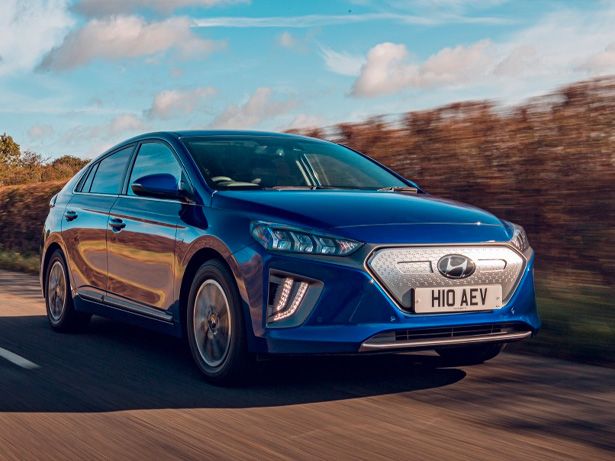
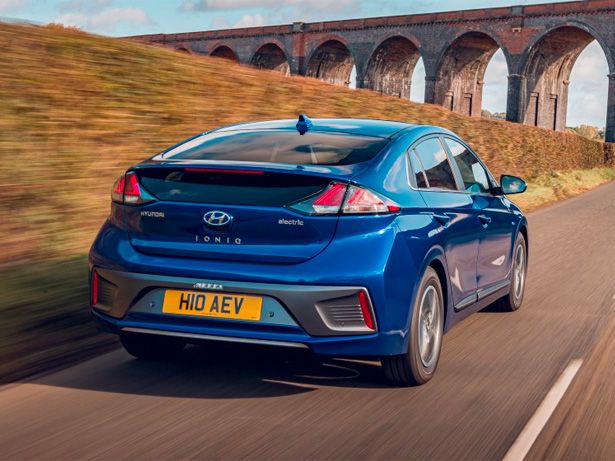
The Hyundai Ioniq Electric was the sensible choice — efficient, practical, and reliable. It offered EV ownership without drama, proving electric cars could be everyday transport.
Model variants:
| Battery | Range (WLTP) | DC Speed | Years |
|---|---|---|---|
| 28kWh | 124 miles | 50kW | 2016-2019 |
| 38.3kWh | 193 miles | 77kW | 2019-2022 |
Key changes:
| Year | Changes |
|---|---|
| 2016 | UK launch |
| 2019 | Facelift: 38.3kWh battery, improved charging |
| 2022 | Discontinued, replaced by Ioniq 5/6 |
The 2019 facelift is significant — the larger battery and faster charging transform usability. Seek out post-facelift models.
Performance & Drive
In town
Effortless urban transport. Light, responsive, and easy to park. The regenerative braking is excellent, with paddles for adjustment.
On the motorway
Adequate but unremarkable. Comfortable enough for occasional motorway use, but the limited range (especially 28kWh) constrains longer journeys.
On a twisty road
Not engaging. The Ioniq prioritises efficiency over entertainment. Competent but uninspiring.
Space & Practicality
Front seats
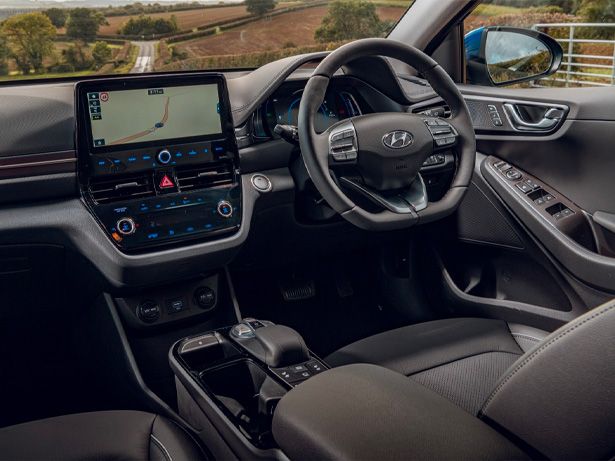
Comfortable with good adjustment. The dashboard is conventional and easy to navigate.
Rear seats
Adequate for adults, though headroom is compromised by the sloping roofline.
| Measurement | Space |
|---|---|
| Rear legroom | Adequate |
| Rear headroom | Compromised |
| Rear width | 2 adults comfortable |
Boot space
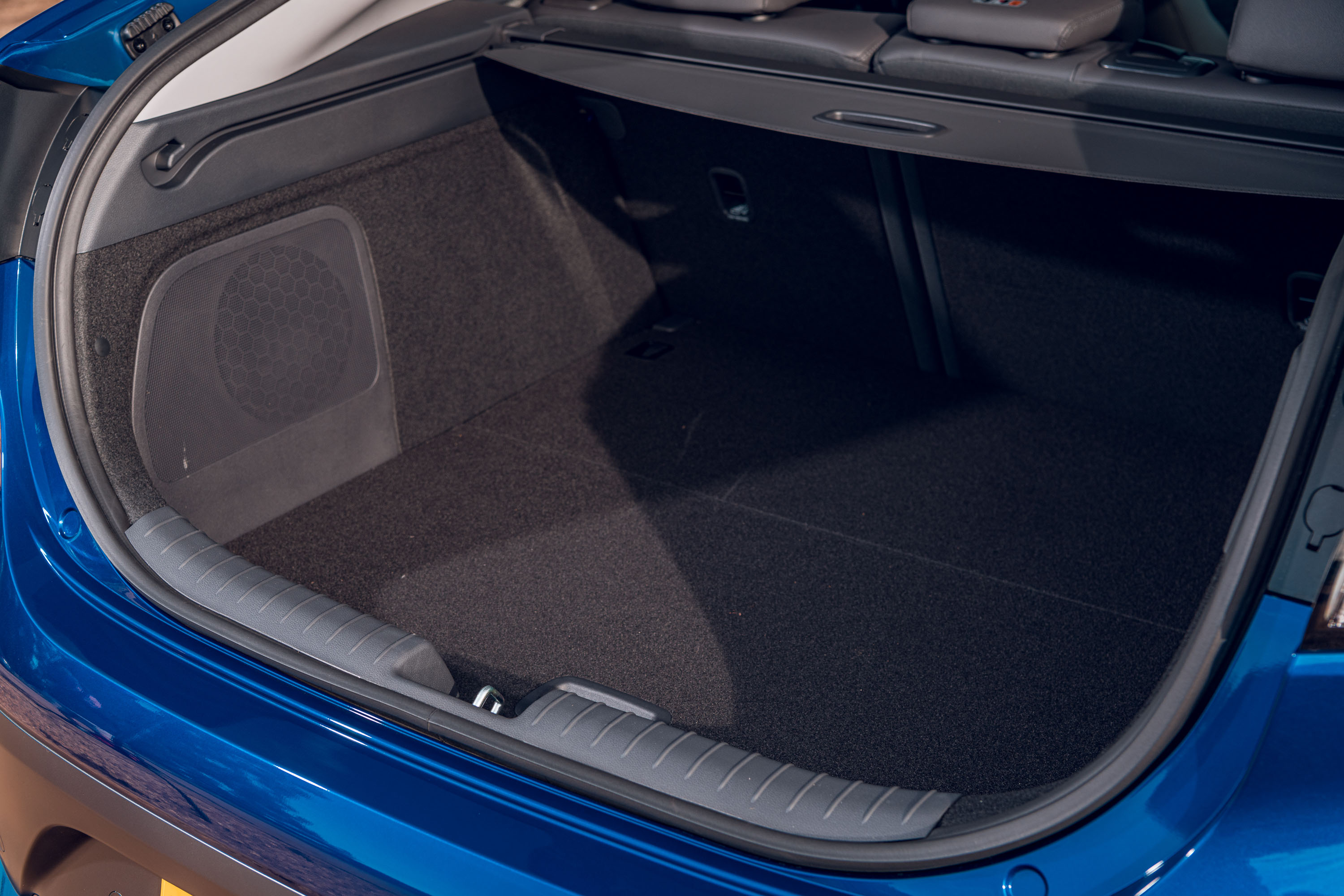
At 350 litres, the boot is practical for a hatchback.
Interior & Tech
Interior quality
Functional rather than exciting. Materials are durable, build quality is good, but design is plain.
Infotainment
| Feature | Availability |
|---|---|
| Touchscreen | 7"/10.25" depending on spec |
| Apple CarPlay/Android Auto | Standard (most) |
| Navigation | Higher trims |
The facelifted cars have a larger, better screen.
Range & Charging
Real-world range
| Version | WLTP | Real-world (summer) | Real-world (winter) |
|---|---|---|---|
| 28kWh | 124 miles | 100-110 miles | 70-90 miles |
| 38.3kWh | 193 miles | 160-180 miles | 120-150 miles |
The Ioniq is exceptionally efficient — 4.5-5.5 miles per kWh routinely.
Charging
| Version | DC Speed | 10-80% Time |
|---|---|---|
| 28kWh | 50kW | ~45 mins |
| 38.3kWh | 77kW | ~45 mins |
DC charging is slow by modern standards.
Reliability & Common Problems
Overall reliability
Excellent. The Ioniq is one of the most reliable EVs made.
Common issues
| Issue | Severity |
|---|---|
| 12V battery | Medium |
| Minor electrical | Low |
| No major concerns | — |
Warranty
5 years / unlimited miles (vehicle), 8 years / 125,000 miles (battery).
What to Look For When Buying
Before viewing
- Identify battery size — 28kWh vs 38.3kWh
- Check warranty remaining — 5 years from registration
- Service history — Hyundai dealer preferred
Key checks
- Battery health indicator
- Charging function
- Efficiency (should be excellent)
Used Price Guide
Current market prices (2026)
| Year | Battery | Mileage | Price Range |
|---|---|---|---|
| 2017 | 28kWh | 50,000+ | £9,000 - £12,000 |
| 2018 | 28kWh | 40-60,000 | £10,000 - £14,000 |
| 2019 | 38.3kWh | 30-50,000 | £14,000 - £19,000 |
| 2020 | 38.3kWh | 20-40,000 | £16,000 - £22,000 |
| 2021 | 38.3kWh | 10-30,000 | £19,000 - £25,000 |
Best value
A 2019-2020 38.3kWh with 30,000-50,000 miles. The facelift improvements are worthwhile, and prices are reasonable at £15,000-£20,000.
The Verdict
The bottom line
The Hyundai Ioniq Electric (2016-2022) is the sensible, efficient EV. It's not exciting, but it's reliable, practical, and remarkably efficient.
The 38.3kWh facelift is the one to buy — the original 28kWh is too limited for most use. As used EVs go, few are as dependable.
For those prioritising efficiency and reliability over style and excitement, the Ioniq delivers.
| Rating | Score |
|---|---|
| Value for money | 8/10 |
| Real-world range | 6/10 (28kWh) / 7/10 (38.3kWh) |
| Charging convenience | 6/10 |
| Reliability | 9/10 |
| Practicality | 7/10 |
| Overall | 7/10 |