
Overview
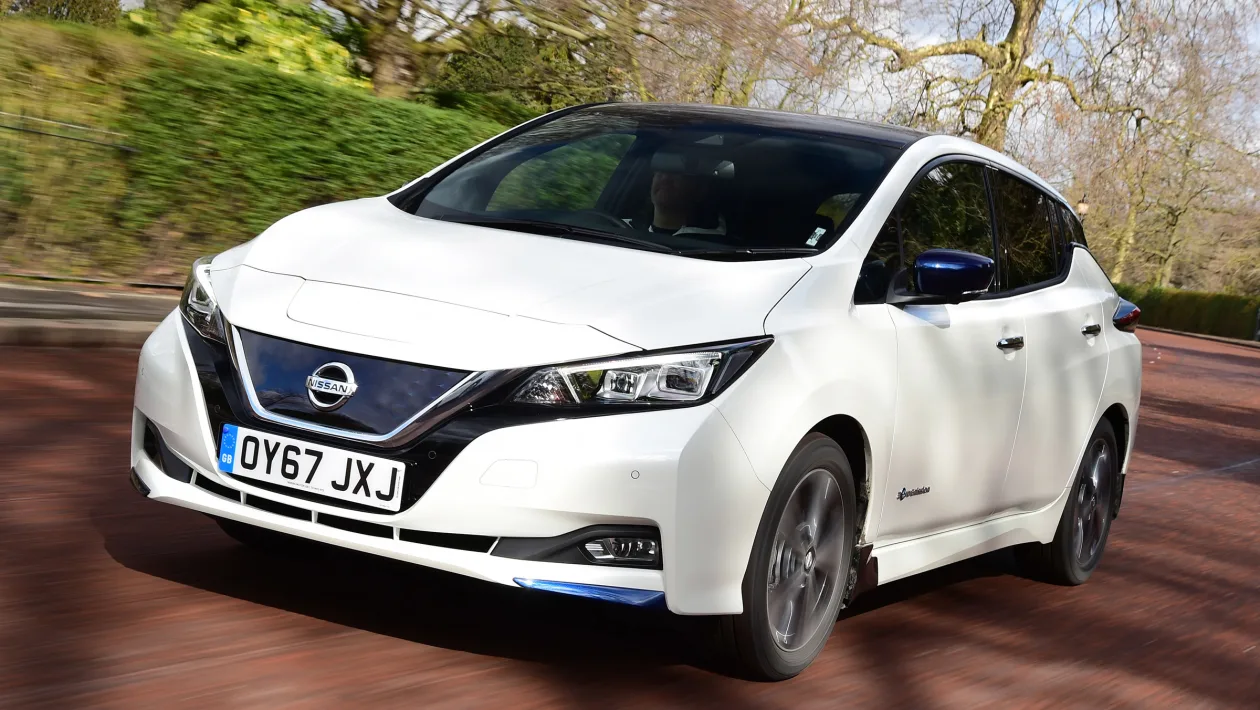
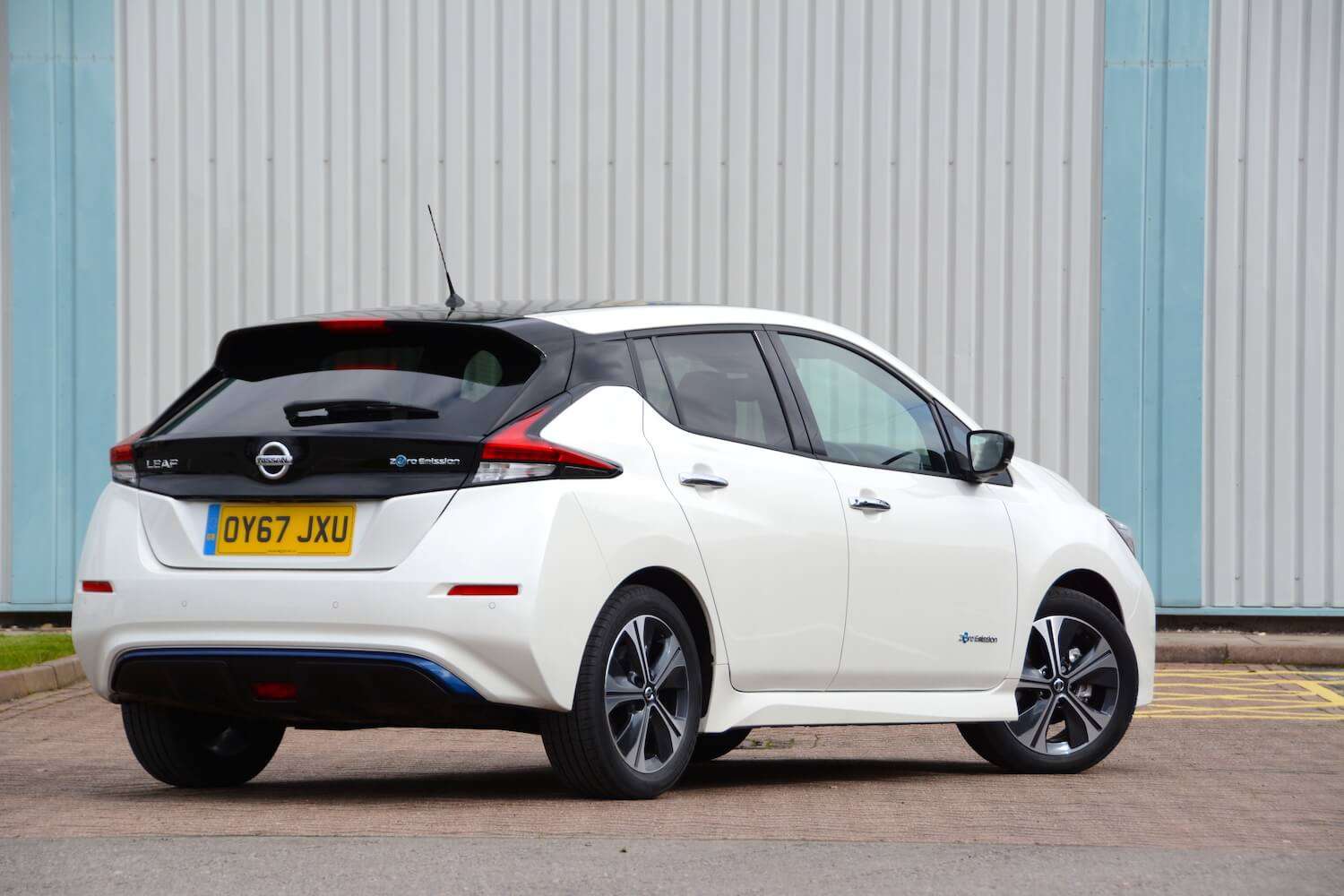
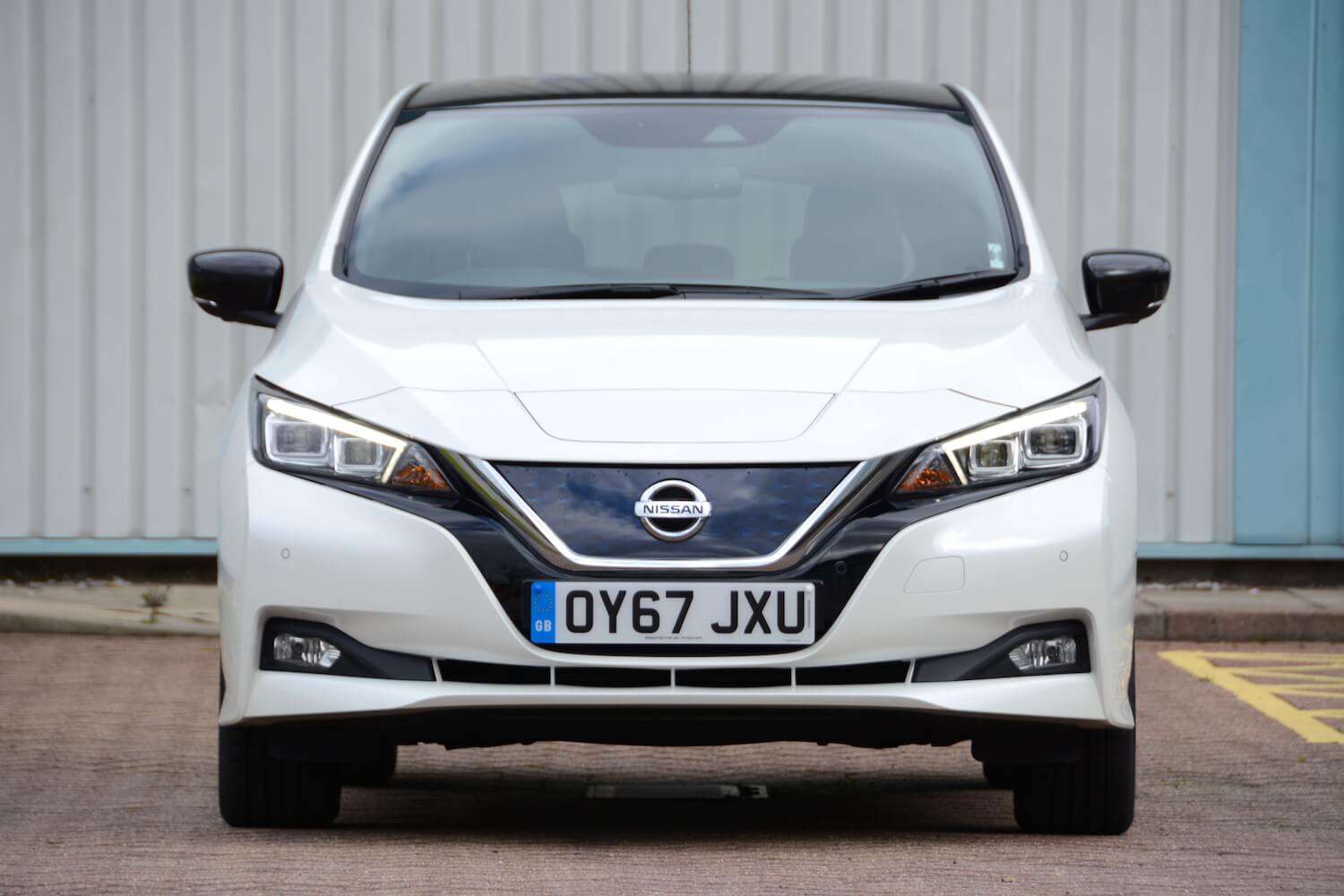
The second-generation Nissan Leaf, produced from 2018 to 2023, was one of the most popular electric cars in the UK. As a used purchase, it offers remarkable value — you can find low-mileage examples for under £15,000, making EV ownership accessible to many.
The Leaf came in two battery variants: the standard 40kWh version with a WLTP range of 168 miles, and the e+ version with a 62kWh battery offering up to 239 miles. In real-world driving, expect around 120-140 miles from the 40kWh and 180-200 miles from the 62kWh, depending on conditions.
Key model years:
| Year | Changes |
|---|---|
| 2018 | Second-gen launch, 40kWh battery |
| 2019 | e+ (62kWh) version introduced |
| 2020 | Minor tech updates |
| 2022 | Final updates before discontinuation |
| 2023 | Production ended |
The Leaf's biggest selling point as a used buy is its proven track record. With the original Leaf launching in 2010, Nissan has more EV experience than most manufacturers, and the second-gen model benefited from lessons learned.
Performance & Drive
In town
The Leaf excels in urban environments. The instant torque makes pulling away from lights effortless, and the e-Pedal system — which allows you to accelerate and brake using just the accelerator pedal — makes stop-start traffic far less fatiguing.
The steering is light and the turning circle is tight, making parking straightforward. Visibility is good all round, and parking sensors were standard on most trims.
| Driving Mode | Character |
|---|---|
| Eco | Softer throttle response, maximises range |
| Normal | Balanced performance |
| e-Pedal | Strong regenerative braking, one-pedal driving |
On the motorway
This is where the Leaf shows its age slightly. Wind and road noise are more noticeable than in newer EVs, and the 40kWh version's range can feel limiting on longer journeys.
The e+ version is much better suited to motorway work, with enough range for most journeys without mid-trip charging.
On a twisty road
The Leaf isn't a sports car, and it doesn't pretend to be. The suspension is set up for comfort rather than cornering, and there's noticeable body roll in bends. However, the low centre of gravity (thanks to the floor-mounted battery) means it feels planted and secure.
The 150hp motor in the standard car is adequate, while the e+'s 217hp provides genuinely brisk acceleration.
Space & Practicality
Front seats
The front seats are comfortable with good adjustment range. Head and legroom are generous, and the driving position is upright and easy to get in and out of.
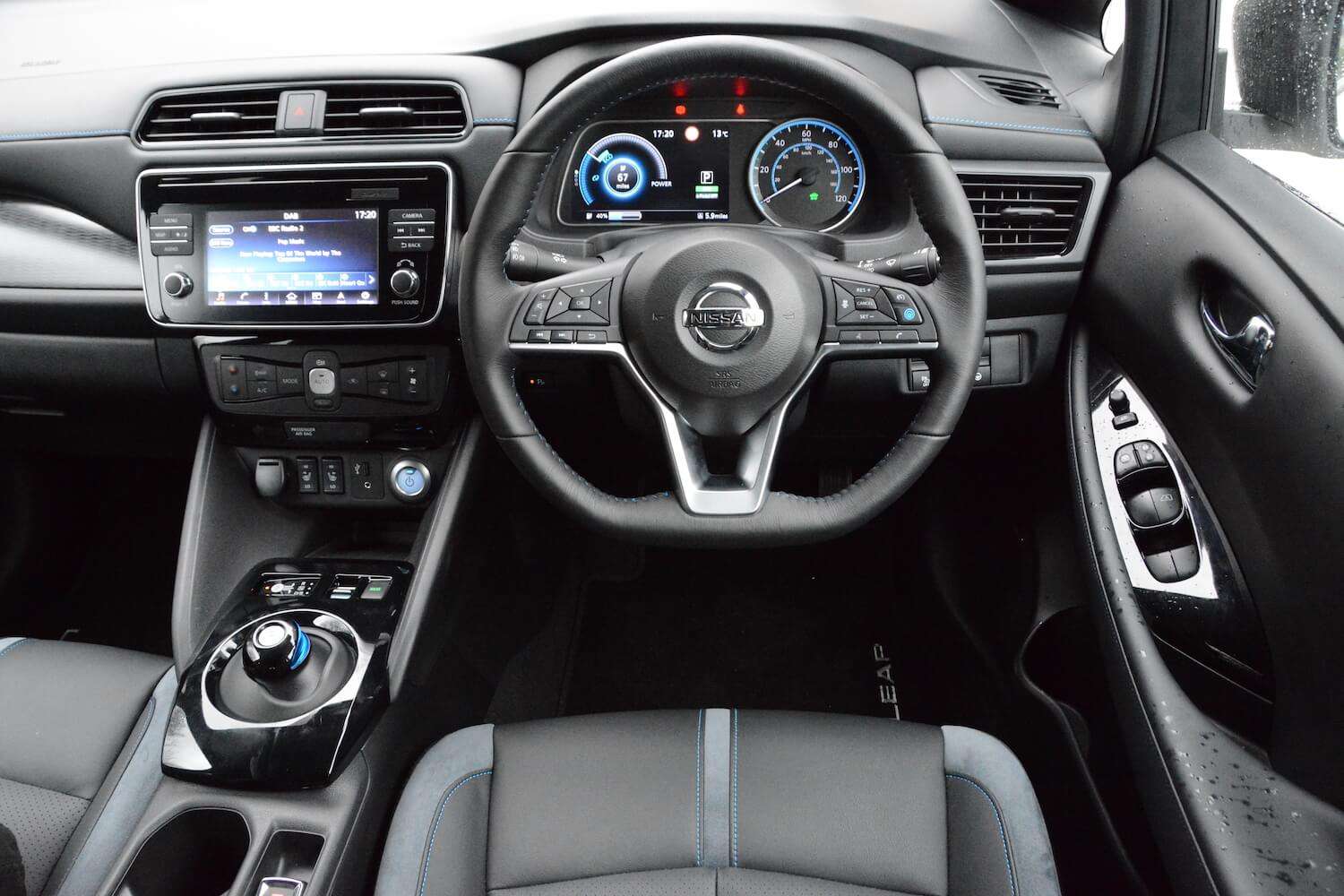
The dashboard layout is conventional and easy to navigate, with physical buttons for most functions — a refreshing change from touchscreen-only interfaces.
Rear seats
Rear space is genuinely impressive for a car of this size. Three adults can sit across the back, though the middle seat is best for shorter journeys. ISOFIX points are present on the outer rear seats.
| Measurement | Space |
|---|---|
| Rear legroom | Good |
| Rear headroom | Good |
| Rear width | Adequate for three |
Boot space
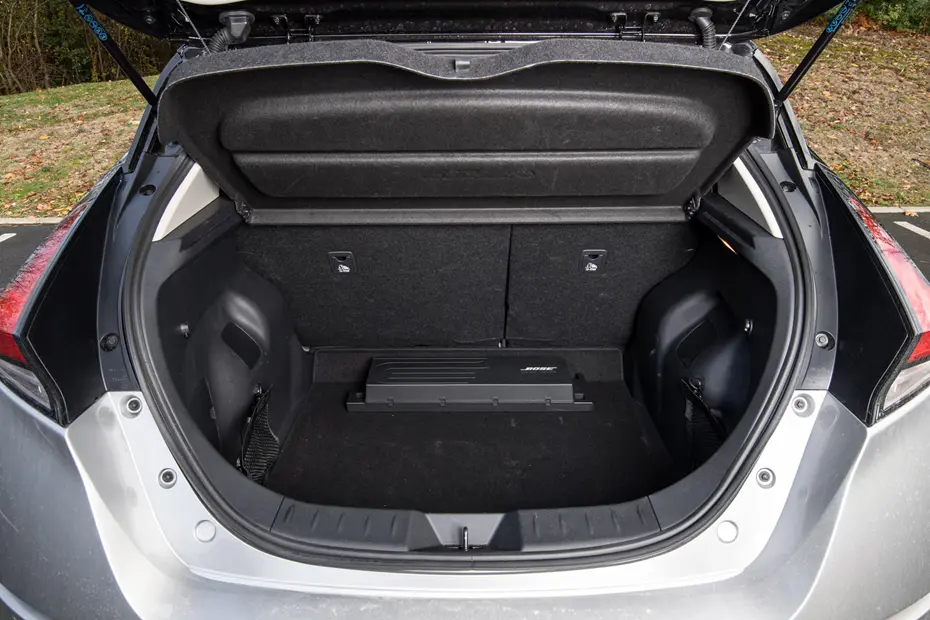
At 435 litres, the boot is competitive with similar-sized hatchbacks. The shape is practical, though the false floor that hides the charging cables does eat into depth somewhat.
The rear seats fold 60:40 to extend luggage capacity, though they don't fold completely flat.
| Configuration | Capacity |
|---|---|
| Seats up | 435 litres |
| Seats folded | ~1,176 litres |
Interior & Tech
Interior quality
The Leaf's interior was showing its age even when new, and that's more apparent now. The plastics are hard and the design is functional rather than inspiring. However, everything is logically laid out and built to last.
Higher-spec Tekna models featured leather seats and a Bose sound system, which are worth seeking out on the used market.
Infotainment
The 8-inch touchscreen runs Nissan's NissanConnect system. It works, but it's slow and dated compared to modern systems. Apple CarPlay and Android Auto were added from 2019, which helps significantly.
| Feature | Availability |
|---|---|
| Sat nav | Standard on most trims |
| Apple CarPlay/Android Auto | From 2019 |
| DAB radio | Standard |
| Bluetooth | Standard |
Driver assistance
ProPilot (Nissan's adaptive cruise control with lane-keeping) was available on higher trims. It's a useful motorway feature, though not as refined as systems in newer EVs.
| Feature | Standard/Optional |
|---|---|
| Automatic emergency braking | Standard |
| Lane departure warning | Standard |
| ProPilot | Higher trims |
| 360-degree camera | Tekna trim |
Range & Charging
Real-world range
Official WLTP figures rarely match reality. Here's what to expect:
| Version | WLTP Range | Real-world (summer) | Real-world (winter) |
|---|---|---|---|
| 40kWh | 168 miles | 120-140 miles | 90-110 miles |
| 62kWh (e+) | 239 miles | 180-200 miles | 140-160 miles |
The Leaf is reasonably efficient, typically achieving 3.8-4.2 miles per kWh depending on driving style and conditions.
Home charging
The Leaf's onboard charger is limited to 6.6kW, which is slower than many modern EVs. Full charge times:
| Battery | 7kW Home Charger | 3-pin Plug |
|---|---|---|
| 40kWh | ~7 hours | ~14 hours |
| 62kWh | ~11 hours | ~21 hours |
Rapid charging
The Leaf uses CHAdeMO for rapid charging, which is increasingly problematic. While the network still exists, it's declining as most new chargers use CCS.
| Version | Max DC Speed | 20-80% Time |
|---|---|---|
| 40kWh | 50kW | ~40 minutes |
| 62kWh (e+) | 100kW | ~45 minutes |
The CHAdeMO problem
This is the Leaf's biggest weakness as a used buy. CHAdeMO chargers are being removed across the UK as operators switch to CCS. Before buying, check CHAdeMO availability on your regular routes using Zapmap.
For home charging and occasional local rapid charging, this may not matter. For regular long-distance travel, it's a significant concern.
Reliability & Common Problems
Overall reliability
The Leaf has an excellent reliability record. With millions sold globally since 2010, Nissan has ironed out most issues. Major component failures are rare.
Battery degradation
This is the primary concern with used Leafs. Unlike most modern EVs, the Leaf lacks active battery cooling — it's air-cooled only. This means:
- Batteries degrade faster in hot climates (less of an issue in the UK)
- Repeated rapid charging accelerates degradation
- High-mileage examples may have noticeable capacity loss
| State of Health | What to Expect |
|---|---|
| 90-100% | Excellent, like new |
| 80-90% | Good, minor range reduction |
| 70-80% | Noticeable range loss |
| Below 70% | Significant impact |
How to check battery health
The dashboard shows battery health bars (out of 12). Each bar represents roughly 15% of original capacity. A healthy used Leaf should show 10-12 bars.
Alternatively, use an OBD reader with LeafSpy app to get exact State of Health percentage.
Common issues to check
| Issue | Severity | What to Look For |
|---|---|---|
| Battery degradation | High | Check health bars/LeafSpy |
| 12V battery failure | Medium | Car won't start, electronics glitchy |
| Brake judder | Low | Vibration when braking |
| Rattles and squeaks | Low | Interior trim noises |
Warranty
Nissan's battery warranty covered 8 years/100,000 miles with a guarantee of retaining 9 bars (approximately 70% capacity). Check if any warranty remains on your potential purchase.
What to Look For When Buying
Before viewing
- Request LeafSpy data — serious sellers will provide battery health percentage
- Check service history — Nissan dealer stamps preferred
- Verify CHAdeMO charger locations — ensure rapid charging is viable for your needs
- Understand the trim level — Tekna has the best equipment
During inspection
| Check | What to Look For |
|---|---|
| Battery health | Dashboard bars, LeafSpy reading |
| Charging ports | Both AC and CHAdeMO connectors undamaged |
| Tyres | Even wear, adequate tread |
| Interior wear | Seat bolsters, steering wheel |
| Electrics | All screens and buttons working |
| Brake feel | No judder or excessive wear |
Test drive checklist
| Test | What You Want |
|---|---|
| Cold start | Car wakes immediately |
| e-Pedal function | Smooth braking and acceleration |
| Charging | Plug in to verify AC charging works |
| Range display | Matches battery health |
| Climate control | Heating and cooling work |
Questions to ask
- Has the car been regularly rapid charged? (High rapid charging = faster degradation)
- Has the 12V battery been replaced? (Common consumable)
- Are both charging cables included?
- What was the typical daily mileage? (Short trips with preconditioning are ideal)
Red flags
| Warning Sign | Risk |
|---|---|
| Battery health below 80% | Limited range, harder to resell |
| No service history | Unknown maintenance |
| Excessive rapid charging | Accelerated degradation |
| Crash repair evidence | Structural/battery damage |
| Missing charging cables | Expensive to replace |
Used Price Guide
Current market prices (2026)
| Year | Version | Mileage | Price Range |
|---|---|---|---|
| 2018 | 40kWh | 50,000+ | £9,000 - £12,000 |
| 2019 | 40kWh | 30-50,000 | £11,000 - £14,000 |
| 2019 | e+ 62kWh | 30-50,000 | £14,000 - £18,000 |
| 2020 | 40kWh | 20-40,000 | £13,000 - £16,000 |
| 2020 | e+ 62kWh | 20-40,000 | £16,000 - £20,000 |
| 2021 | 40kWh | 10-30,000 | £15,000 - £18,000 |
| 2021 | e+ 62kWh | 10-30,000 | £18,000 - £23,000 |
| 2022-23 | e+ 62kWh | Under 20,000 | £20,000 - £26,000 |
What affects price
| Factor | Impact |
|---|---|
| Battery health | High (poor health = significant discount) |
| Mileage | Medium |
| Trim level | Medium (Tekna commands premium) |
| Colour | Low (white/grey most common) |
| Service history | Medium |
Best value
The sweet spot is a 2019-2020 e+ (62kWh) with 30,000-50,000 miles, good battery health (85%+), and full service history. Expect to pay £15,000-£18,000 for a well-maintained example.
Avoid
Early 2018 40kWh models with high mileage and unknown battery health. The limited range and potential degradation make these poor value unless heavily discounted.
The Verdict
Who should buy a used Nissan Leaf?
The Leaf makes an excellent used buy if:
- You have home charging and don't rely on rapid chargers
- Your daily commute is under 80 miles (40kWh) or 150 miles (e+)
- You want proven reliability and low running costs
- Budget is a priority and you want maximum value
Who should look elsewhere?
Consider alternatives if:
- You regularly drive long distances requiring rapid charging (CHAdeMO is dying)
- You want a more modern interior and tech
- Battery degradation concerns worry you
- You want the latest charging standards (CCS)
The bottom line
The Nissan Leaf (2018-2023) represents outstanding value on the used market. Its limitations — dated tech, CHAdeMO charging, air-cooled battery — are balanced by proven reliability, practical space, and prices that make EV ownership genuinely affordable.
For a second car, commuter vehicle, or budget-conscious first EV, it's hard to beat. Just be diligent about checking battery health and ensure CHAdeMO charging meets your needs.
| Rating | Score |
|---|---|
| Value for money | 9/10 |
| Real-world range | 6/10 (40kWh) / 8/10 (e+) |
| Charging convenience | 5/10 |
| Reliability | 9/10 |
| Practicality | 8/10 |
| Overall | 7/10 |